
Healing from Religious Trauma
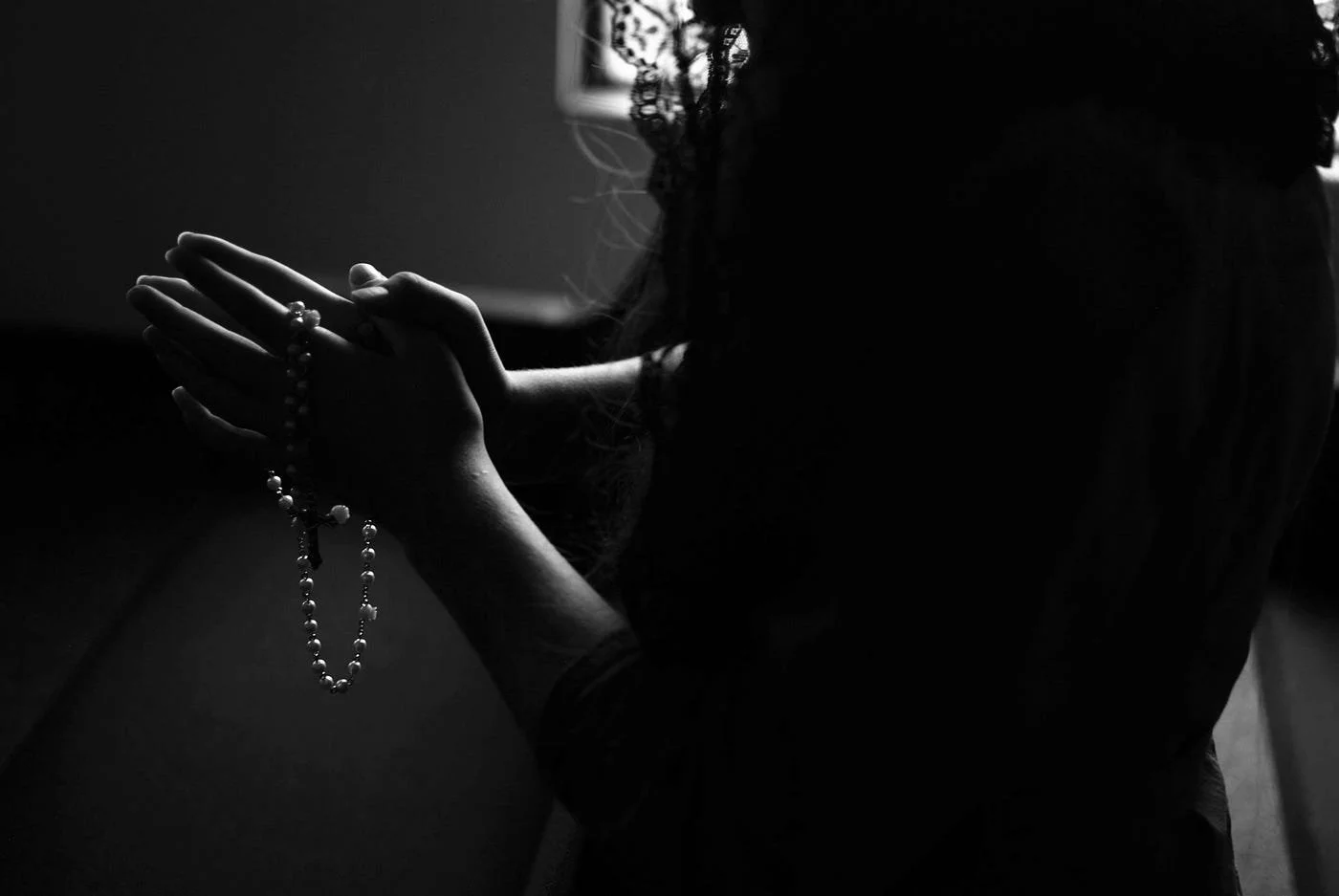
Religious trauma can show up as fear, shame, or guilt, anxiety about “doing something wrong”, difficulty making decisions, loss of identity outside religion, fear of punishment or hell, discomfort with sexuality or body, struggles with boundaries or autonomy, and more.

Common Questions
How do I know if I’m experiencing religious trauma?
Many people don’t realize they’re experiencing religious trauma until they notice its impact on their emotions, relationships, or sense of self.
You may be experiencing religious trauma if you feel guilt or shame around everyday choices, fear when questioning beliefs, anxiety about sexuality, identity, or “sin”, pressure to live by rules that feel harmful, distress after leaving or questioning a faith community, confusion about who you are outside religion, difficulty trusting yourself or others, and more.
Religious trauma isn’t about “losing faith”—it’s about recovering from environments or teachings that kept you from feeling safe, autonomous, or whole. Therapy helps you explore these experiences without judgment.
What is "religious deconstruction"?
Faith deconstruction is the process of questioning, examining, or reevaluating beliefs you were taught—often because they created pain, fear, or internal conflict.
Deconstruction may involve:
Challenging harmful teachings
Clarifying what you actually believe
Healing from religious shame
Processing purity culture
Unpacking fear-based theology
Setting boundaries with religious family or communities
Exploring spirituality on your own terms
Therapy provides support as you sort through these questions, emotions, and shifts—without pushing you toward or away from religion.
Do I need to leave my faith or become non-religious to be in religious trauma therapy?
Not at all. Religious trauma therapy is not anti-religion. It is pro-healing, pro-autonomy, and pro-you.
Clients come with all kinds of goals. Some want to stay in their faith tradition in a healthier way. Some want to explore spirituality outside religion. Some want to heal without practicing religion at all. Some don’t know what they want yet—and that’s okay.
Your therapist supports your path, not a particular outcome. You’re free to explore what feels true and aligned for you.
What is religious trauma?
Religious trauma refers to the emotional, psychological, or spiritual harm caused by rigid belief systems, controlling faith communities, purity culture, spiritual abuse, or environments where questioning was punished instead of welcomed.
Religious trauma can show up as fear, shame, or guilt, anxiety about “doing something wrong”, difficulty making decisions, loss of identity outside religion, fear of punishment or hell, discomfort with sexuality or body, struggles with boundaries or autonomy, and more.
Religious trauma therapy at Mosaic Minds offers a safe, supportive space to untangle these experiences without pressure to return to, or convert to, any particular belief system. The focus is on healing, clarity, and reclaiming your voice.
What is "religious reconstruction"?
Reconstruction is the stage after deconstruction where you rebuild a sense of identity, values, meaning, or spirituality that feels authentic and grounded—not forced or fear-based.
This might look like:
Redefining faith in a way that feels safe
Finding a sense of purpose beyond religion
Creating new beliefs rooted in compassion rather than fear
Reconnecting with spirituality without dogma
Embracing secular meaning-making
Reconstruction is about creating a life you choose—not one chosen for you.
Can therapy help with purity culture harm or sexuality-related shame?
Yes. Purity culture can create deep wounds around body image, consent, sexuality, and relationships—often long after leaving the religious environment.
Therapy can help you process shame around sex or desire, explore sexuality without fear, heal black-and-white thinking around morality, understand the impact of purity messaging, build self-compassion, body acceptance, and autonomy, and more.
You deserve a relationship with your sexuality that is rooted in freedom—not fear.
Is it normal to feel afraid or guilty while questioning my beliefs?
Absolutely.
Many clients feel:
Guilt for “betraying” their faith
Fear of consequences or punishment
Anxiety looping around religious teachings
Grief about losing community or identity
These feelings are common—and they are symptoms of religious conditioning, not proof that you are doing something wrong. Therapy helps you work through these emotions with grounding, clarity, and self-compassion.

Ready for the next step?
Request an appointment below.
Healing doesn’t have to feel like a performance. At Mosaic Minds Therapy, we meet you as you are—not as anyone expects you to be. Whether you’re navigating identity, relationships, or old wounds, we hold space for that—for you. Take the first step toward feeling truly seen. Let us work together to get to the root of the problem and work towards finding the way out—because there is always light at the end of the tunnel. We will find it.